


Picture yourself floating on the peaceful, smooth surface of the Pacific Ocean with a velvet sky and tropical stars above you. Deep below you suddenly see a patch of ocean light up as a special light attracts millions of tiny zooplankton. Emerging from the deep dark abyss of the water rises a graceful, enormous shape, arching upward just inches away from you.
This is the ultimate Big Island night manta ray snorkel- arguably the most awe-inspiring animal encounter in the world. If you're traveling to Kona, or searching for one spectacular bucket list activity during your trip, Big Island night manta ray snorkeling is non-negotiable.
WHAT TO EXPECT ON YOUR TOUR
-
Check in with your guide at the harbor to review safety information and get fitted with a wetsuit top, mask, and snorkel. Our small groups (max 12 passengers) allow more space on board and guidance from our crew.
-
Your adventure begins with a scenic sunset cruise along the Kona coastline before arriving at the snorkel site. After a quick briefing, it's time to get in the water!
-
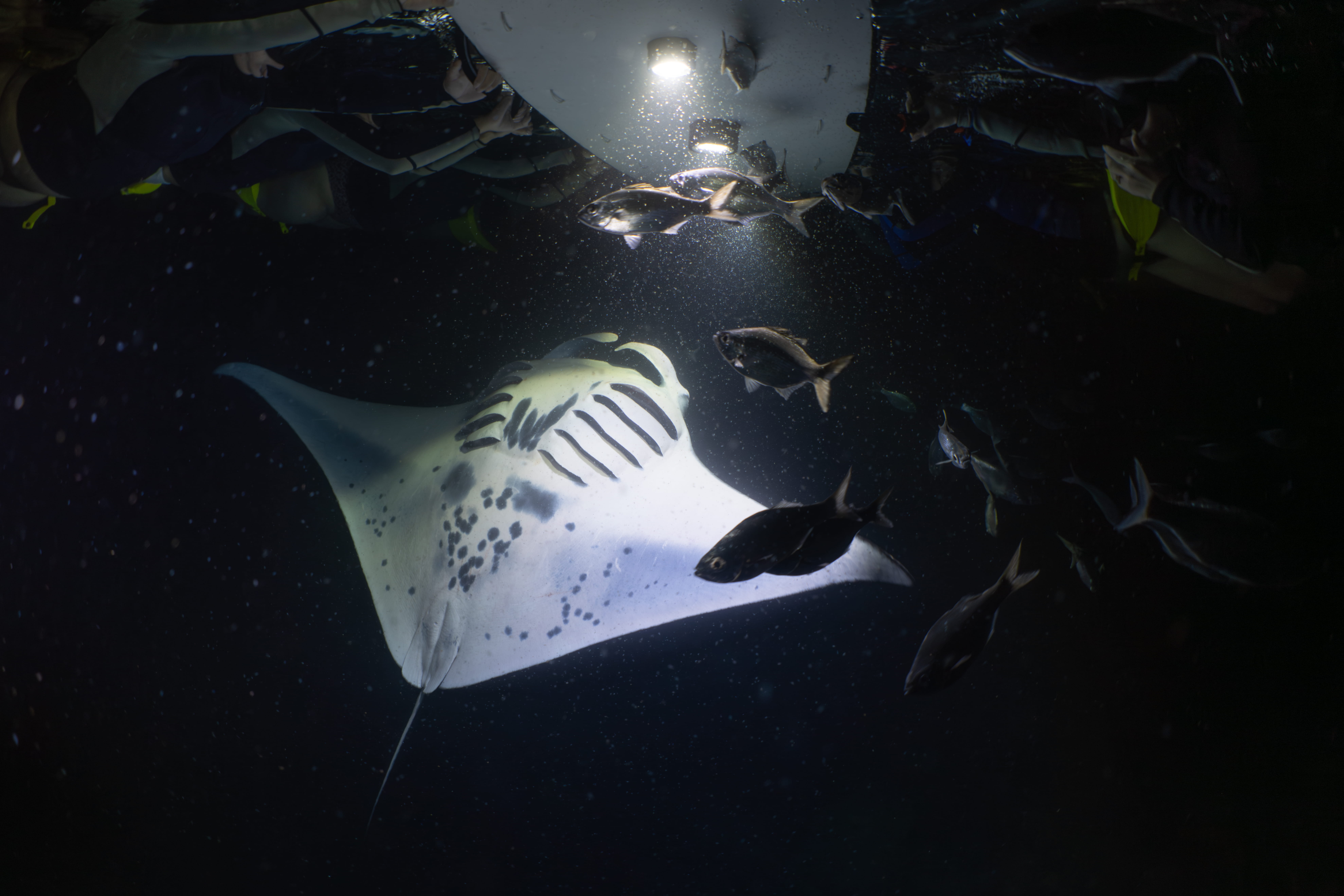
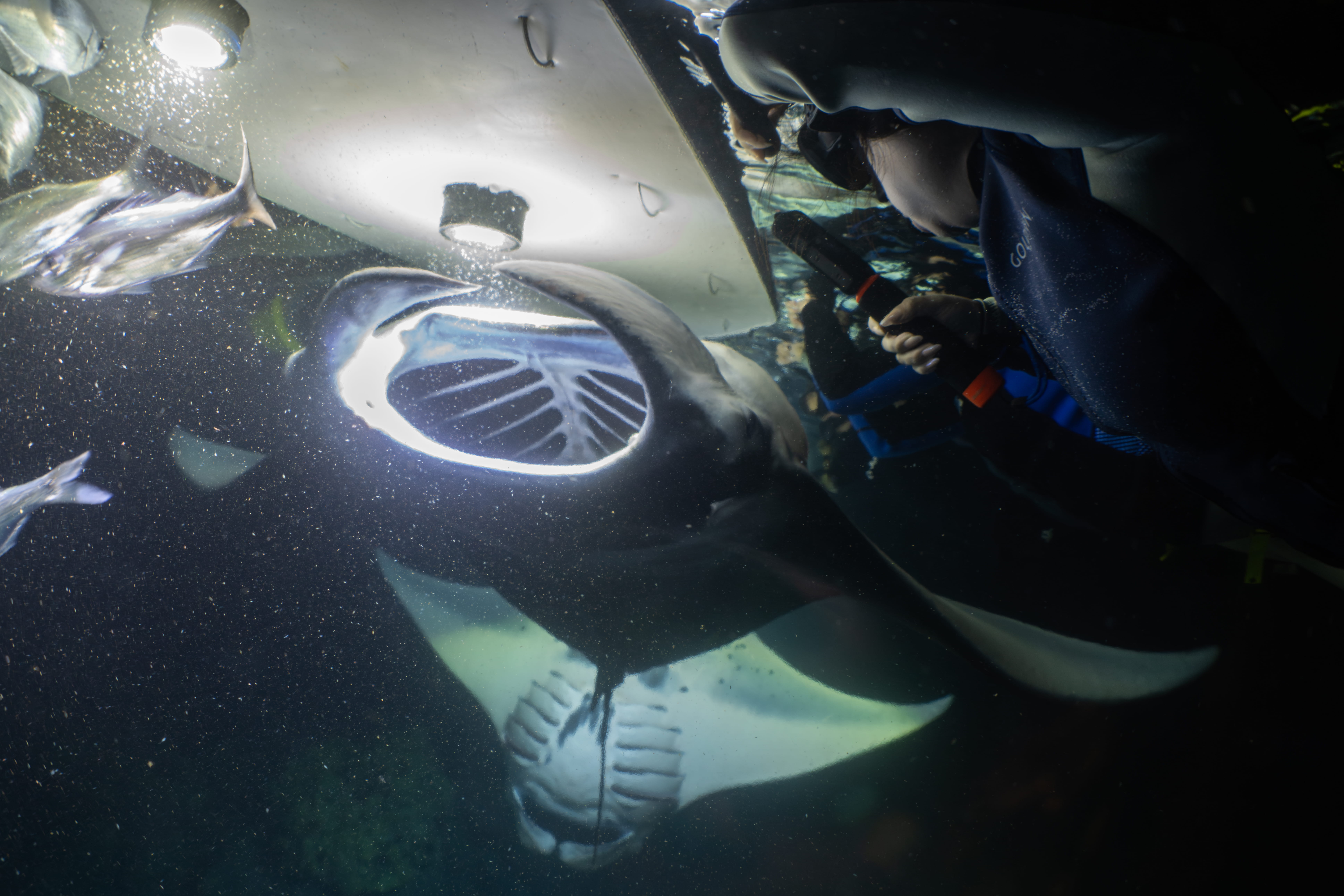
Float comfortably at the surface while holding onto our custom light board. The light attracts plankton which draws the manta rays in to feed, often bringing these gentle giants within inches of you. Everyone will enjoy 30-40 minutes of dedicated in-water snorkeling time.
-
Manta ray sightings in Kona are incredibly consistent year-round, with a success rate of over 95%. However, these are wild animals, and sightings can never be guaranteed. On the rare occasion that manta rays do not appear during your tour, you'll receive a free return voucher with no expiration date.
DEPARTURE LOGISTICS & TRAVEL TIMES
The tour departs out of Honokohau Harbor, located about 10 minutes North of downtown Kailua-Kona. Parking at the harbor is free. We have the flexibility to choose the best manta ray snorkel location each evening based on ocean conditions and manta activity. We'll take an approximate 30-minute scenic boat ride to the snorkel site.
WHAT'S INCLUDED
All necessary equipment is included with your tour:
-
Mask and snorkel
-
Wetsuit tops
-
Waist flotation devices
You are welcome to use your own mask, snorkel, and wetsuit if preferred.
WHAT WE SUGGEST YOUR BRING
-
A reusable water bottle
-
A towel for the ride back to the harbor. Custom towel ponchos are also available for purchase at checkout.
-
Swimwear: please arrive in something suitable for swimming.
-
Prescription snorkel mask if needed. We do not provide prescription masks. If you need one, you must bring your own or rent one in advance.
Important Participation Requirements
For the safety and enjoyment of all guests, participants must:
-
Be comfortable in the water and have previous swimming experience
-
Be comfortable using a mask and snorkel
-
Be able to float at the surface with the assistance of a provided flotation belt
-
Be able to climb a boat ladder independently to exit the water
-
Be comfortable in open ocean conditions
-
Be able to follow crew instructions
This tour is not suitable for non-swimmers, guests with limited mobility, or guests with heart, back, or other medical conditions that may affect their ability to safely participate in an ocean activity. If you are unsure whether this experience is right for you, please contact us before booking. We are happy to help determine if the Kona Night Manta Ray Snorkel is a good fit.


Duration: 2 hours

Ages: 5–70
Departure Location: Honokohau Small Boat Harbor in Kona, Hawaii

Manta Guarantee: In the rare event we don't see any mantas, you'll receive a free return voucher with no expiration date.

Participation Requirements: Guests must be comfortable in the water and have swimming experience.

Not Permitted: This tour is not suitable for non-swimmers, guests with limited mobility, those weighing more than 275 lbs, and anyone with back, heart, or other medical conditions that may affect participation.
SMALL GROUP NIGHT MANTA RAY SNORKEL TOURS


What do others think of Ocean Eco Tours?
TIPS FOR THE BEST EXPERIENCE
-
Book a tour early in your trip: Booking early in your stay will ensure you have a "rain day" buffer of dates. If conditions force a cancellation, we will reschedule the tour within the following days.
-
Dress warm: Although Hawaii water is warm (78 - 82F), floating motionlessly on the surface at night can cool you off quickly. Pack a warm towel, as well as a light jacket to wear on the boat.
-
Snorkel responsibly: Manta rays are protected animals and should always be respected in their natural habitat. Remember the golden ecotourism rule: "look but don't touch" to help them continue to visit the Kona coast for years to come.
WHY IS THE BIG ISLAND THE CAPITAL OF MANTA RAYS SNORKELING?
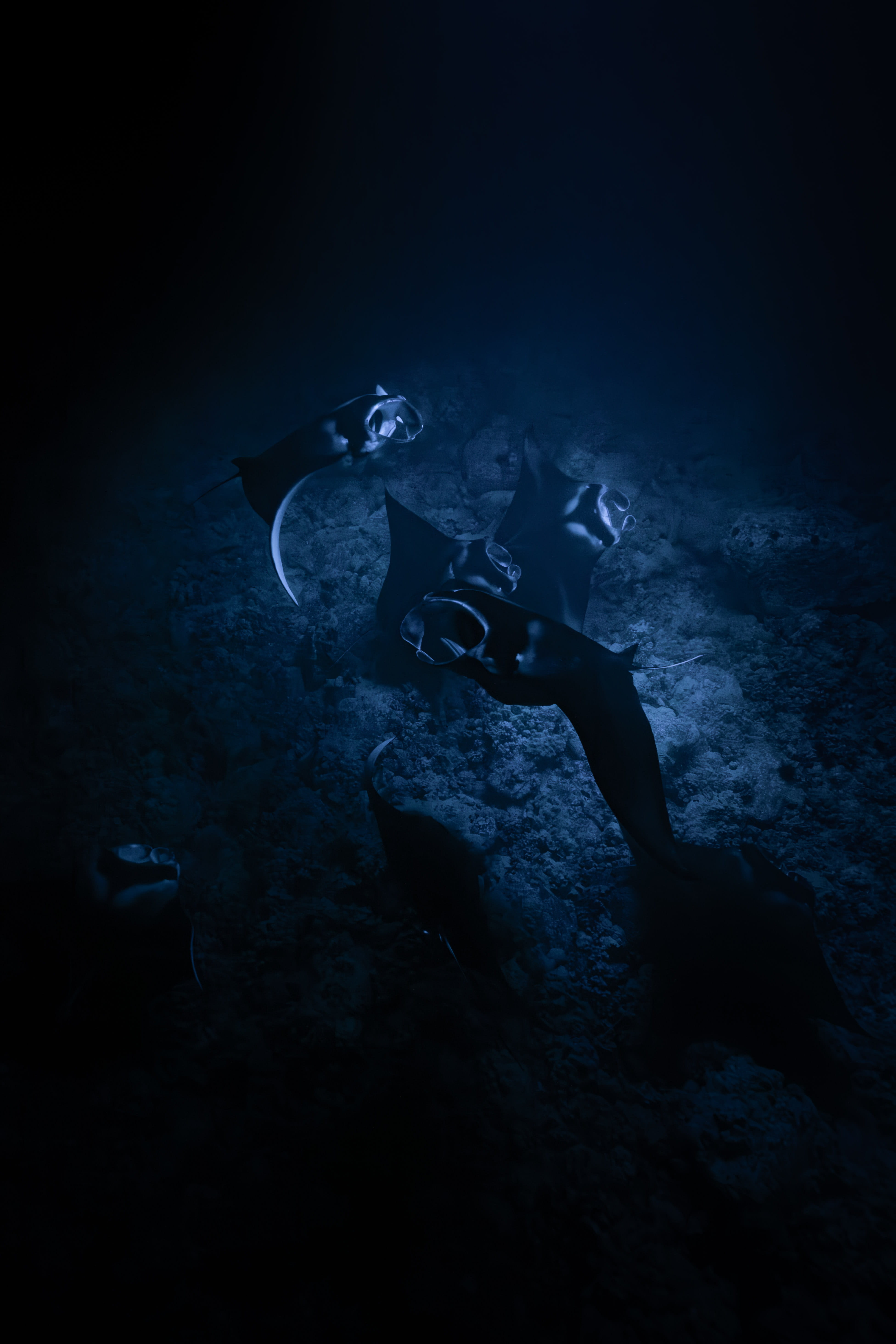
There is a resident population of about 300 individual reef manta rays that make the Kona coast their home year-round. Because these gentle giants have returned to Kona's plankton-rich waters for millennia, your chances of seeing them are high, with a success rate of over 95%. Our snorkel sites have optimal underwater topography that attracts plankton, their favorite food.
WHY DO WE SWIM WITH MANTA RAYS AT NIGHT?
Night manta ray snorkeling in Big Island relies on a dependable food chain. Manta rays are solely filter feeders; their gaping jaw has unique, pad like lobes that channel huge volumes of water and plankton into their mouth. During the day, plankton can be found in deep water. At night, plankton are attracted to moonlight at the surface, making it an easy meal for manta rays. Our custom light board mimics moonlight, drawing plankton to our lights, attracting manta rays to their food source.
ARE MANTA RAY DANGEROUS?
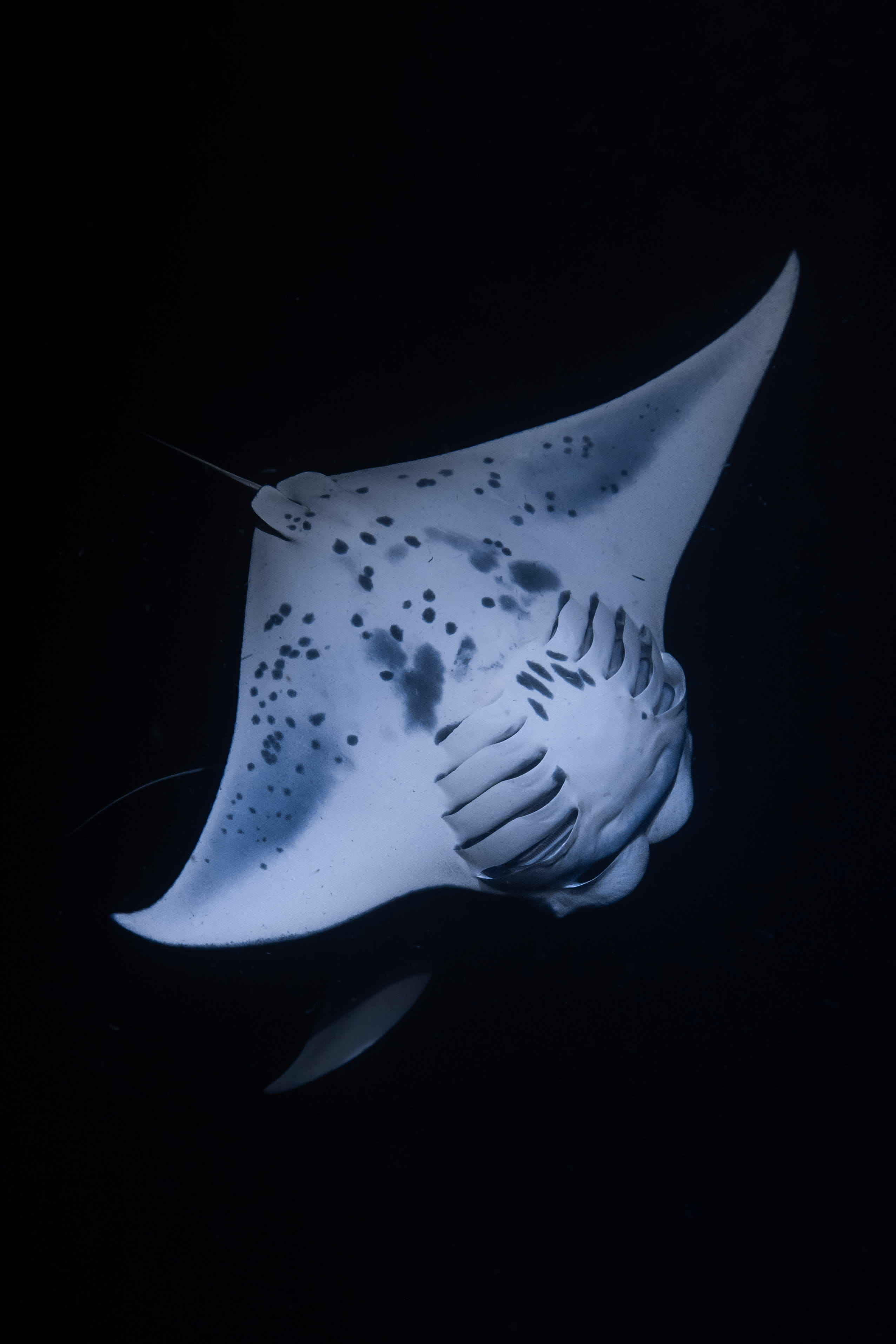
No, manta rays do not have any stingers or barbs. Though they can grow to be up to 15 feet wide, they are totally harmless to people.