


WITNESS THE MAJESTIC HUMPBACK WHALES
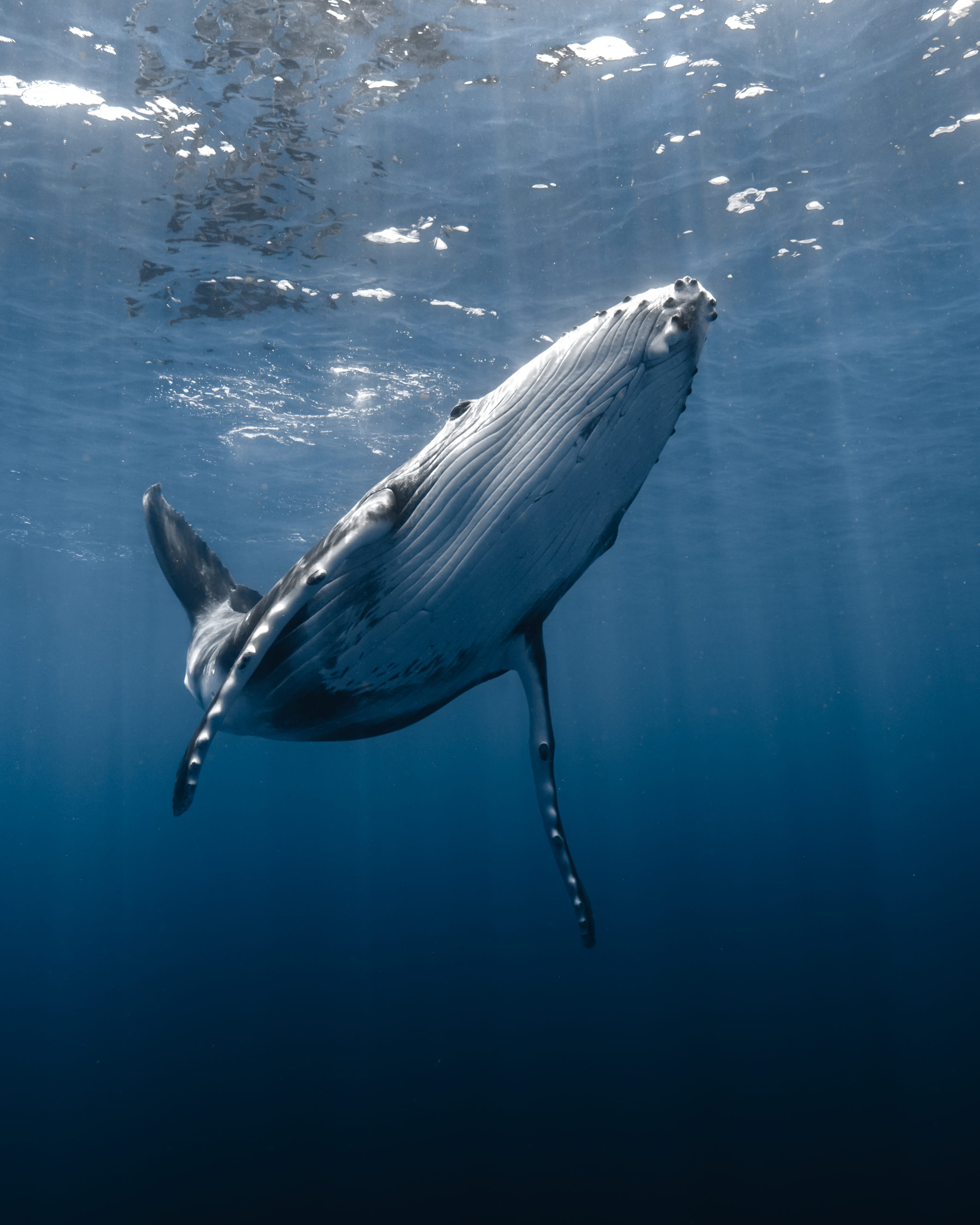
When winter arrives in the Pacific, so do humpback whales. From November through April, thousands of humpbacks migrate from their northern feeding grounds to Hawaii’s warm waters to mate, give birth, and raise their calves.
Join us for a scenic cruise along the volcanic Kona Coast as we search for humpback whales in their natural habitat. With small groups and a flexible approach, we can adjust our route based on ocean conditions and wildlife activity.
Keep an eye out for spectacular behaviors like breaching, tail slapping, and spyhopping as our crew shares fascinating facts about humpback whales and their annual migration. When conditions allow, we may also use our onboard hydrophone to listen for the whales’ remarkable underwater sounds.
Every trip is different, but each offers a chance to experience Hawaii’s humpback whales and learn more about these incredible animals in the wild.
HUMPBACK WHALE SEASON
Humpback whales visit Hawaii each winter, with whale season generally running from November through April. Sightings often peak between January and March, but every part of the season offers opportunities to observe these incredible animals.
-
Early Season (November-December): The first humpback whales begin arriving in Hawaiian waters after their long migration from northern feeding grounds. Sightings may become more frequent as the season progresses.
-
Peak Season (Jan- Mar): These months typically bring the highest number of humpback whales to Hawaii. You may witness spectacular behaviors such as breaching, tail slapping, and groups of competing males following a female.
-
Late Season (March-April): Mothers and their calves may still be seen in Hawaiian waters as they prepare for the journey north. Calves grow stronger and practice swimming and surfacing alongside their mothers before migrating to their northern feeding grounds.
WHAT'S INCLUDED
Light snacks will be provided. You're also welcome to bring your own food and drinks on board.
WHAT WE SUGGEST YOUR BRING
-
A reusable water bottle: Help us cut down on single-use plastic that pollutes our ocean by bringing your own water bottle to stay hydrated.
-
Reef safe sunscreen: Protect your skin while helping protect Hawaii’s coral reefs.
-
Hat & sunglasses: Our boat has shaded seating, but extra sun protection is always recommended.

Duration: 2 hours

Ages: All Ages

Departure Location: Honokohau Small Boat Harbor in Kona, Hawaii


What do others think of Ocean Eco Tours?
TIPS FOR THE BEST EXPERIENCE
-
Book a tour early in your trip: Booking early in your stay gives you a buffer in case weather or ocean conditions force a cancellation. If your tour is canceled, we’ll do our best to reschedule you for another day during your stay, subject to availability.
-
Protect yourself from the sun: The Hawaiian sun can be strong, especially when you’re spending several hours on the water. Bring a hat, sunglasses, and reef-safe sunscreen, and remember to reapply sunscreen throughout the day.
WHALE BEHAVIORS TO LOOK FOR ON YOUR TOUR
One of the most exciting parts of whale watching is seeing humpback whales (koholā) display their natural behaviors at the ocean’s surface. Keep an eye out for these incredible sights during your tour.
-
Breaching: One of the most spectacular whale behaviors, breaching happens when a whale launches much of its body out of the water before crashing back down. Scientists have several theories about why whales breach, including communication, play, and removing parasites, but the exact reasons are still being studied.
-
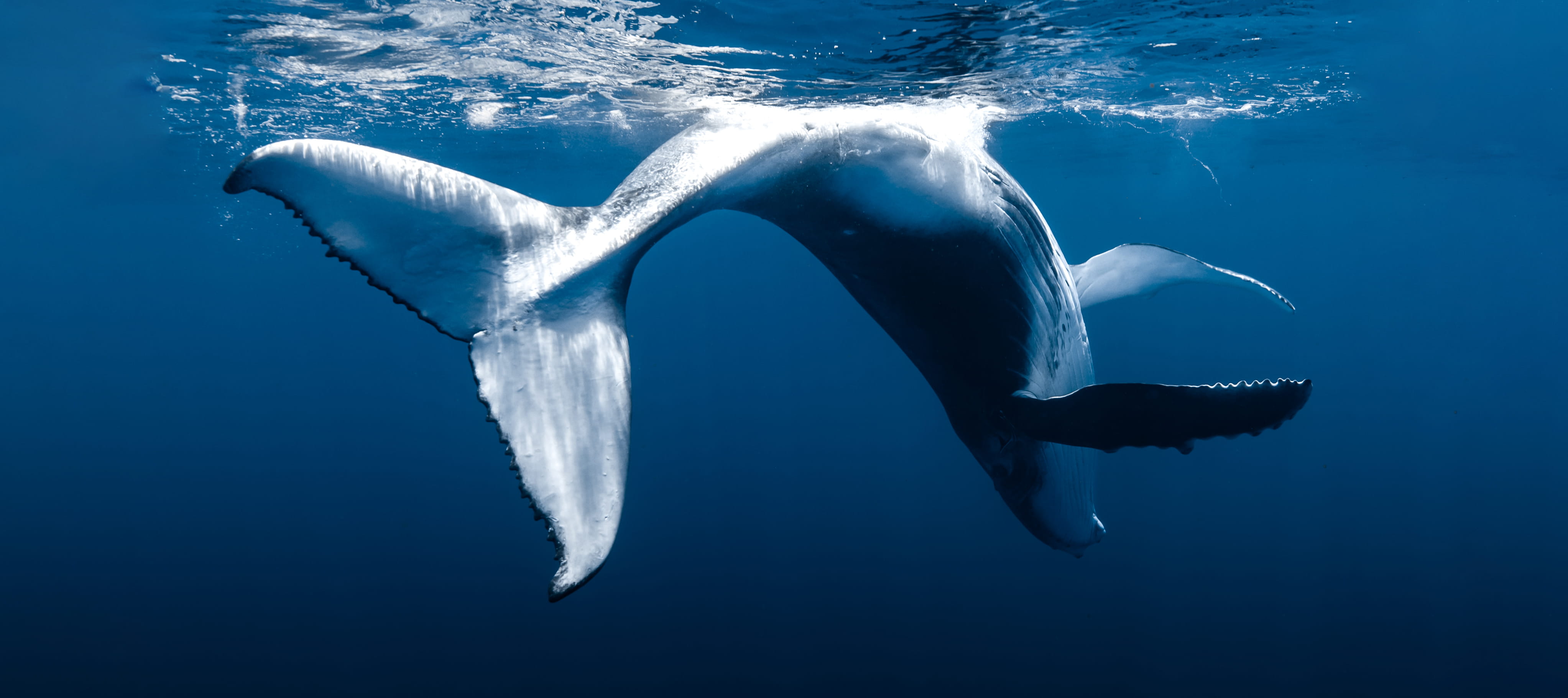
Pectoral Fin & Tail Slapping: Whales may lift their enormous pectoral fins or powerful tails and slap them against the water, creating a loud splash. These behaviors may play a role in communication or social interactions, although their purpose can vary.
-
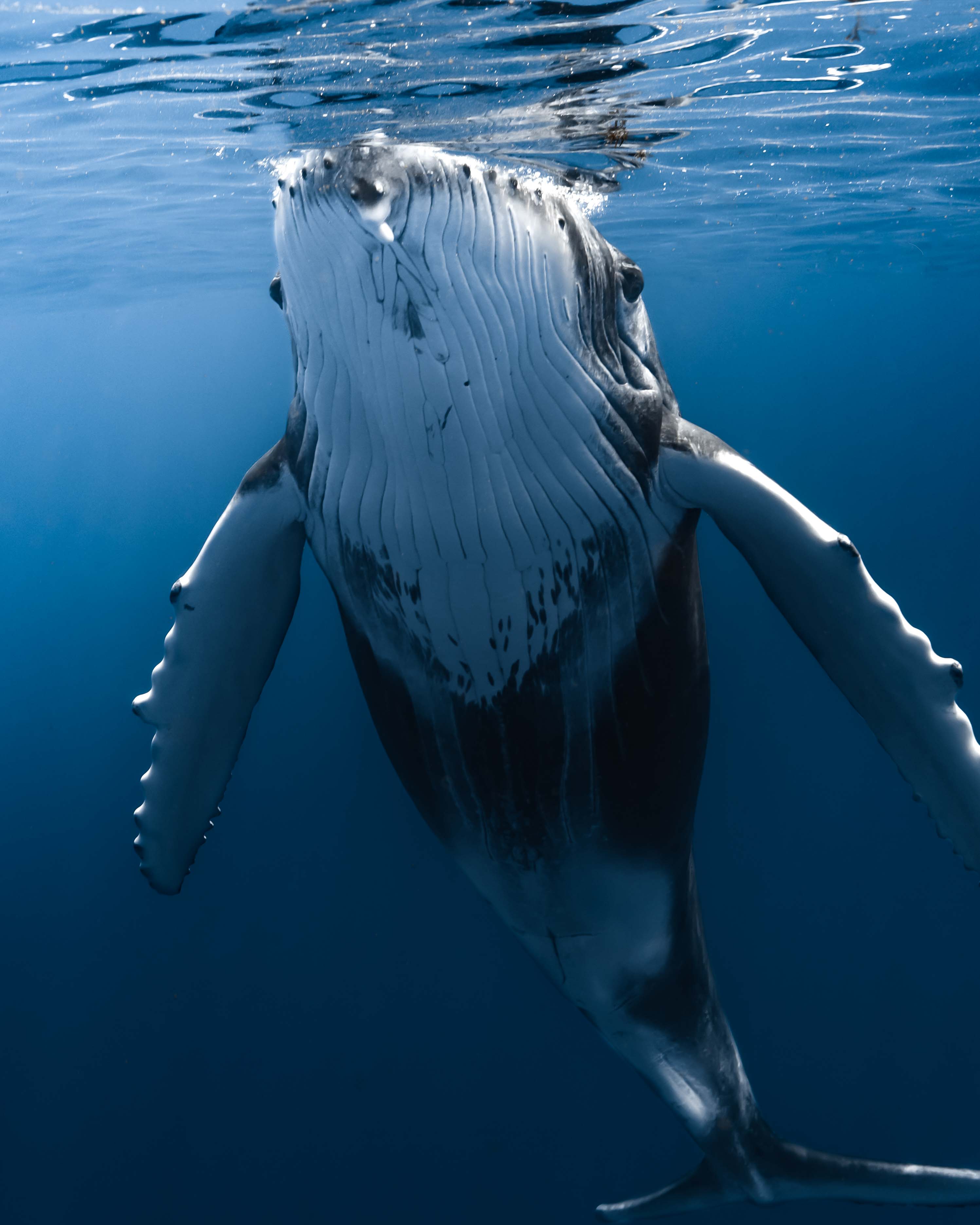
Spyhopping: A whale rises vertically in the water, lifting its head above the surface to look around. This behavior allows the whale to observe its surroundings above the waterline.
-
Blowing (Spouting): When a whale surfaces to breathe, warm, moist air and water vapor rush from its blowholes, creating a visible plume. The shape and height of the blow can help us spot whales from a distance before we get a closer look.
-
Mother & Calf Interactions: During Hawaii’s whale season, you may see mothers swimming alongside their calves. Calves often practice surfacing, tail slapping, and other movements as they develop the strength and coordination they’ll need for their long migration north.